


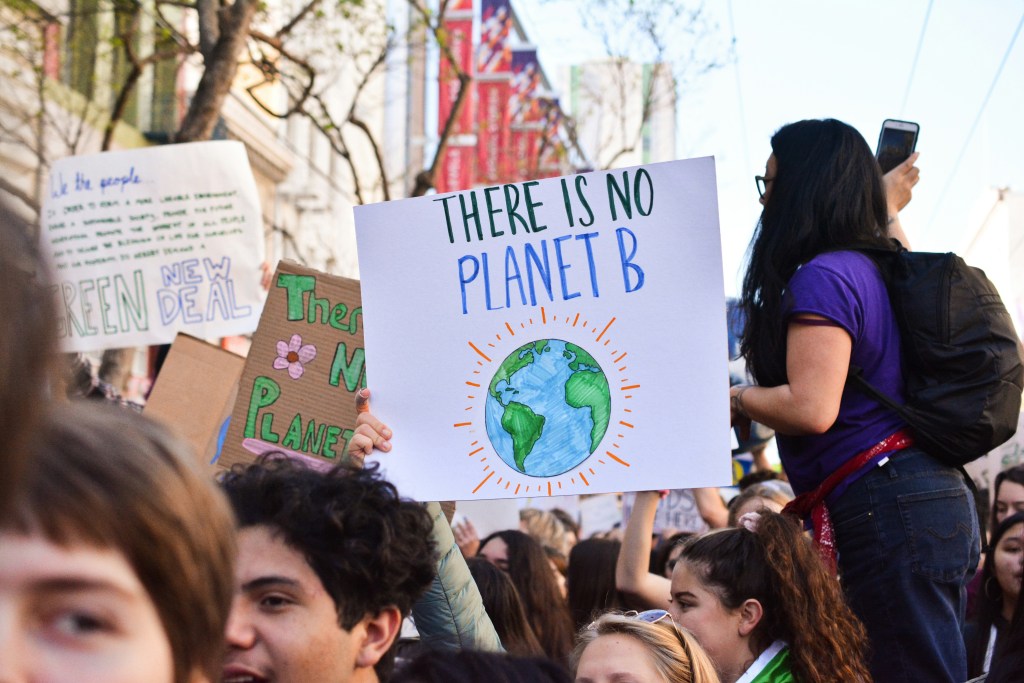

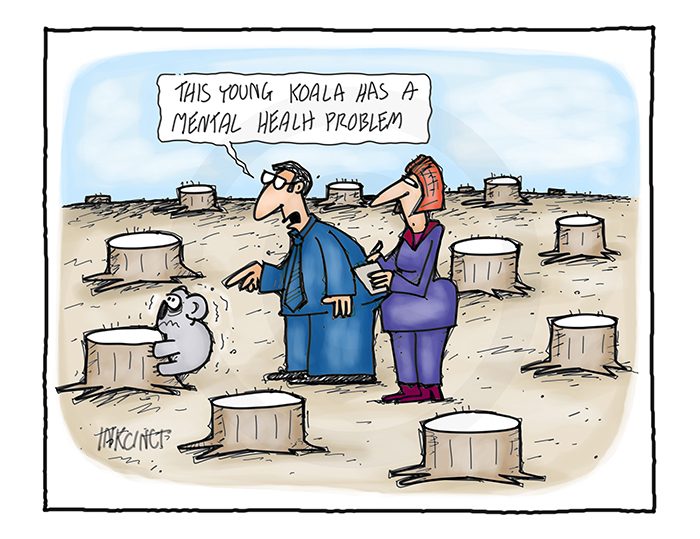
Welcome to April, Earth Month! 🌍 This month, we’re highlighting the connection between climate change and youth mental health.
Climate change and youth mental health intersect in important ways, shaping the well-being and future of younger generations. The impacts of the climate crisis, including extreme weather events, fossil fuel pollution, and health disparities, contribute to increasing stress and anxiety among youth.
In a 2021 study of more than 10,000 children and young people aged 16–25 years old, more than half (59%) reported being very or extremely worried about climate change; 84% were at least moderately worried.
Nearly half said that their feelings (sadness, anxiety, anger, powerlessness, guilt and helplessness) negatively affected daily life and functioning, and 75% said they find the future frightening. (source)
Uncertainty about the future, eco-anxiety (or fear of “environmental doom”), and feelings of powerlessness can worsen mental health issues in youth. These feelings are understandable and even healthy responses to the threat of climate change; it demonstrates their care and empathy for our world. Young people’s concerns deserve respect, validation, and meaningful action by people in positions of power.
To support youth in navigating climate-related mental health challenges, they must receive emotional support in their everyday lives and witness meaningful responses from the adults and leaders in their communities. Actionable steps we all can take include:
- Educate yourself and youth about climate change, its impacts, and actions to mitigate its effects. Youth want to learn about climate change. In fact, requiring public education about climate and environmental issues is one of the recommendations from the State Youth Council. Empowering young people with knowledge and agency can help alleviate feelings of helplessness and anxiety.
- Create supportive environments within schools and the community where young people can openly discuss their concerns about climate change, connect with others, and receive support.
- Foster connection with nature through environmental education, outdoor recreation, and service projects like Green Up Day. Spending time outdoors improves mental well-being and resilience, and environmental stewardship promotes appreciation, accomplishment, and a feeling of purpose.
- Model engaged citizenship by participating in local sustainability projects, advocating for policy changes, and openly discussing climate change with the young people in your life. It’s not the responsibility of younger generations to “save the planet”; they need support and action from all of us.