
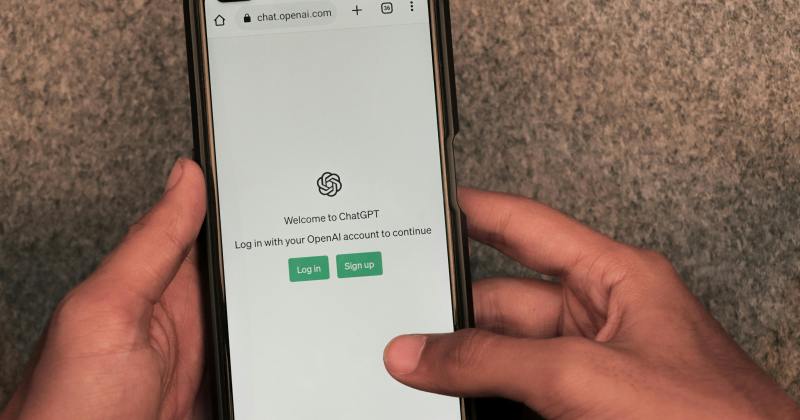

We have to talk about artificial intelligence (AI). More than half of surveyed teens in the U.S. now use AI “companions” regularly for social interaction including friendly conversations, flirting, and seeking mental health support, according to a new study by Common Sense Media.
While many still prefer human friendship, nearly one-third of teens reported finding AI conversations as satisfying or more satisfying than human conversations, agreeing with statements such as “They’re always available when I need someone to talk to,” “They don’t judge me,” and “I can say things I wouldn’t tell my friends or family.” This trend carries significant risks.
Artificial intelligence tools, like chatbots, are becoming a part of many teens’ daily lives. While this technology can offer entertainment or help with homework, it can also carry serious risks for vulnerable youth.
The tragic suicide of 16-year-old Adam Raine exemplifies potential dangers. The wrongful death lawsuit filed by his parents claims that ChatGPT guided Adam in self-harming behaviors, reinforced his suicidal thoughts, and discouraged him from confiding in his parents.
AI should never replace human support. There can be many barriers to accessing mental health resources—cost, stigma, and lack of availability—which is why teens (and adults) may turn to these technologies. We need to:
- Encourage open, nonjudgmental conversations about mental health;
- Educate teens about the risks of AI, including addiction;
- Ensure young people know about crisis resources staffed by trained human counselors, like 988 and The Trevor Project;
- Promote—and model—healthy boundaries with screentime and balance with offline social connection; and
- Help youth identify their safety network of trusted adults like a family member, counselor, or teacher.
September is Suicide Prevention Awareness Month
Because of the widespread stigma around suicide, many people are reluctant to speak openly about it—and it can be really difficult to talk about! But talking about suicide in our community makes it easier to ask for help and get help when we need it—these conversations save lives.
- Find resources to give or get help at Facing Suicide VT
- Take a training to boost your suicide awareness and prevention skills with Center for Health and Learning
- Find additional mental health crisis resources, including warm-lines that do not use police intervention